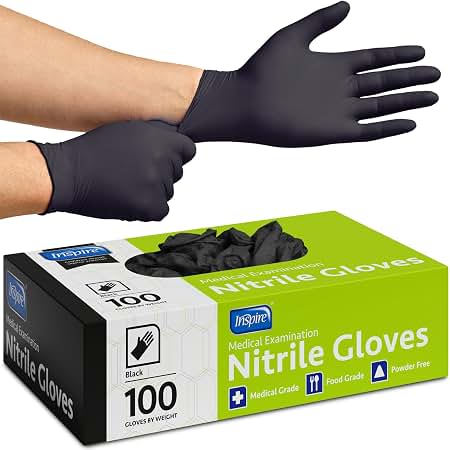
Nitrile gloves play an important role in workplace hygiene by helping protect hands from selected contaminants, chemicals, and other occupational hazards. Many healthcare facilities, laboratories, cleaning services, and industrial workplaces use these gloves because they offer flexibility and good resistance to various substances. Choosing suitable gloves helps workers perform daily tasks more safely while supporting established hygiene procedures.
Why Nitrile Gloves Matter for Workplace Safety
Workers frequently handle materials that may expose their skin to contaminants or irritating substances. Nitrile gloves create a protective barrier that can reduce direct contact when employees use them correctly. Their usefulness depends on the specific task, the material being handled, and the manufacturer’s protection guidelines.
Following https://www.glovesupply.us/ recommendations helps employers identify potential hazards and select appropriate personal protective equipment. Gloves should complement other safety measures rather than replace proper training, equipment maintenance, or established cleaning procedures.
Nitrile Gloves and Material Durability
Nitrile gloves are made from synthetic rubber, making them a practical alternative for people who need to avoid natural rubber latex. They generally offer good resistance to punctures compared with some other disposable glove materials, although performance varies by thickness, design, and intended use.
Their durability makes them useful for many routine tasks, including equipment cleaning, sample handling, and certain inspection procedures. However, no glove protects against every chemical or hazard. Employers should check product specifications and chemical compatibility information before selecting gloves for demanding applications.
Supporting Better Workplace Hygiene
Maintaining clean hands and work surfaces remains essential even when employees wear protective gloves. Gloves can pick up contaminants from tools, door handles, shared equipment, and other surfaces. Touching multiple areas without changing gloves may transfer unwanted substances and undermine hygiene procedures.
Workers should replace disposable gloves when they become torn, visibly dirty, or contaminated. They should also change gloves when switching between tasks that require different hygiene controls. Following proper hand hygiene practices helps reduce contamination risks before putting on gloves and after removing them.
Comfort, Fit, and Everyday Performance
Proper fit influences both comfort and protection. Gloves that are too tight can restrict movement or tear more easily, while loose gloves may reduce grip and precision. Selecting the correct size helps workers handle tools, medical supplies, and other materials with better control.
Nitrile gloves also come in different thicknesses, textures, and designs. Some products prioritize tactile sensitivity, while others offer additional durability for specific tasks. Workers should choose a product suited to their responsibilities rather than assuming that every nitrile glove provides the same level of protection.
Choosing the Right Nitrile Gloves
Employers should evaluate workplace hazards before purchasing nitrile gloves. Important considerations include chemical exposure, contact duration, puncture risks, required dexterity, and whether the product meets relevant workplace or industry requirements.
Workers should inspect gloves before use and follow instructions for wearing, removal, and disposal. Reusable protective gloves require different care from disposable versions, so employees should follow the manufacturer’s guidance. Clear procedures and regular training help ensure that glove selection matches actual working conditions and supports consistent hygiene practices.