
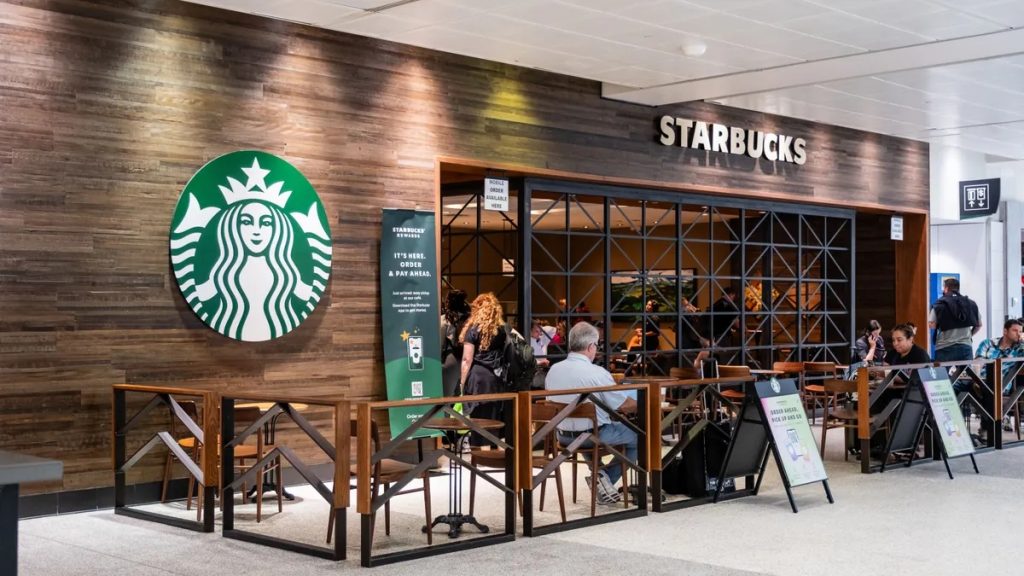
The Origins of Industrial Interior Design
Industrial interior design originally developed from the transformation of former factories and warehouses into residential, commercial, and creative spaces. Buildings that once supported manufacturing activities became sources of architectural inspiration because of their large windows, exposed structures, and practical construction materials. Over time, designers adopted these characteristics for restaurants, offices, and coffee shops. Today, industrial interiors combine historical influences with contemporary furniture, modern lighting, and comfortable layouts. This combination allows coffee businesses to create environments that celebrate architectural simplicity without sacrificing customer comfort.
Exposed Brick Walls for Authentic Urban Character
Exposed brick walls are among the most recognizable features of industrial coffee shop interiors. Their natural texture introduces warmth and visual depth while creating a connection with traditional industrial buildings. Red, brown, and weathered brick surfaces can complement dark metal furniture and wooden countertops. Some designers prefer leaving entire walls unfinished, while others use brick as an accent behind the coffee counter or seating area. Proper lighting can highlight the irregular texture and make the material an attractive focal point within the overall interior concept.
Concrete Surfaces and Raw Architectural Finishes
Concrete is another important material in industrial coffee shop design. Its neutral appearance and natural imperfections create a contemporary atmosphere that works well with various decorative elements. Concrete floors, countertops, ceiling finishes, and decorative wall panels can establish a consistent industrial character. Light gray surfaces create a clean appearance, while darker concrete finishes introduce a stronger visual statement. To prevent the interior from feeling too cold, designers can combine concrete with wooden furniture, warm lighting, and soft upholstery. This balance makes industrial spaces more inviting.
Metal Furniture and Structural Design Elements
Metal is widely used in industrial interiors because of its durability and connection to traditional manufacturing environments. Black steel chairs, iron shelving, metal table frames, and industrial-style stools can strengthen the visual identity of a coffee shop. Exposed beams and structural supports may also become decorative features rather than elements that need to be concealed. www.starbucksstoredesign.com Combining different metal finishes can create additional texture, although consistency remains important. Choosing furniture with simple shapes helps maintain an organized appearance while allowing the architectural materials to stand out.
Reclaimed Wood for Warmth and Natural Contrast
Although industrial design often emphasizes hard surfaces, reclaimed wood can introduce warmth and balance. Old timber tables, wooden wall panels, recycled shelving, and rustic counters provide a natural contrast against concrete and metal. Weathered wood finishes can also add character because their grain patterns and imperfections create a sense of authenticity. Designers can use darker timber for a dramatic atmosphere or lighter wood to make the interior feel brighter. Incorporating reclaimed materials also supports creative reuse and can contribute to more environmentally responsible commercial design.
Industrial Lighting That Creates a Unique Atmosphere
Lighting plays an essential role in defining the mood of an industrial coffee shop. Exposed bulb pendants, metal cage lamps, adjustable wall fixtures, and track lighting are common choices for this interior style. These fixtures combine practical illumination with decorative appeal. Warm-toned bulbs can soften the appearance of concrete and metal, making the environment more comfortable for customers. Large windows should also be used whenever possible to maximize natural daylight. Combining natural and artificial lighting helps create an attractive atmosphere from morning until evening.
Open Ceilings and Warehouse-Inspired Architecture
Open ceilings are a distinctive feature of many industrial coffee shop interiors. Exposed ventilation ducts, electrical conduits, metal supports, and ceiling structures can create an authentic warehouse-inspired appearance. This design approach can also make a commercial space feel taller and more spacious. However, exposed architectural elements should remain organized and professionally installed. A carefully coordinated ceiling design prevents the interior from appearing unfinished or chaotic. When combined with suitable lighting and furniture, open ceilings can become an impressive architectural feature.
Comfortable Seating in an Industrial Environment
Customer comfort should remain a priority even when designing a coffee shop with a raw industrial appearance. Leather sofas, upholstered chairs, wooden benches, and cushioned stools can soften the harder materials used throughout the interior. Different seating arrangements allow customers to choose between individual relaxation, casual conversations, and group activities. Communal tables can encourage social interaction, while smaller seating corners offer quieter experiences. Maintaining sufficient space between furniture also improves accessibility and makes everyday customer movement more convenient.
Creative Wall Decorations and Industrial Artwork
Decorative elements can make an industrial coffee shop feel more personal and memorable. Vintage posters, black-and-white photography, oversized clocks, metal signs, and contemporary artwork can complement the architectural concept. Some businesses display coffee-related illustrations or locally created artwork to establish a stronger connection with their communities. Wall decorations should support the industrial theme without creating excessive visual clutter. Carefully selected pieces can transform plain brick or concrete surfaces into attractive focal points while giving the business a distinctive personality.
Greenery and Natural Elements in Industrial Spaces
Indoor plants provide an effective way to balance the strong appearance of industrial materials. Green foliage introduces natural colors that contrast beautifully with concrete floors, dark metal fixtures, and exposed brick walls. Hanging plants, large indoor trees, and small tabletop arrangements can create a fresher atmosphere. Wooden planters and simple ceramic containers work particularly well with industrial furniture. Greenery also helps soften sharp architectural lines and makes large commercial spaces feel more welcoming. This combination demonstrates that industrial design can remain both bold and relaxing.
Designing a Functional Industrial Coffee Bar
The coffee counter should combine visual character with efficient daily operations. Concrete countertops, reclaimed wood surfaces, black metal shelving, and exposed storage systems can create a distinctive service area. Espresso machines and brewing equipment may become part of the interior presentation when arranged neatly. However, employees also need sufficient preparation space, accessible storage, and practical equipment placement. Separating ordering, payment, preparation, and collection areas can improve workflow. A functional coffee bar ensures that attractive industrial design supports the business rather than making daily operations more difficult.
Sustainable Ideas for Industrial Coffee Shop Interiors
Industrial design naturally offers opportunities to incorporate sustainable materials and creative reuse. Reclaimed timber, recycled metal furniture, restored decorative objects, and long-lasting construction finishes can reduce unnecessary material consumption. Businesses can also select energy-efficient lighting and durable seating to support long-term performance. Reusing vintage industrial furniture adds authenticity while reducing the need for entirely new decorative products. When sustainability becomes part of the design process, coffee shops can create attractive interiors that reflect environmental awareness and responsible business values.
Conclusion: Building a Memorable Industrial Coffee Shop
Industrial style coffee shop interiors offer an exciting combination of architectural character, practical materials, and contemporary comfort. Exposed brick, concrete finishes, metal furniture, reclaimed wood, and distinctive lighting create a recognizable urban atmosphere. Meanwhile, comfortable seating, natural greenery, and efficient coffee bar layouts ensure that the environment remains welcoming and functional. The strongest industrial concepts are not simply collections of unfinished materials. They represent carefully planned spaces where every architectural feature contributes to the overall experience. By combining creativity, authenticity, and thoughtful planning, coffee shop owners can develop memorable destinations that attract customers and establish a lasting brand identity.